
Parmesan Risotto with White Wine and Butter
9 ingredients
12 steps
What you need
- 1.4 l (6 cups) chicken stock
- 60 g (2 oz) unsalted butter, cubed, kept cold
- 1 tbsp olive oil
- 1 medium onion, finely chopped
- 320 g (1 2/3 cups) arborio rice
- 150 ml (2/3 cup) dry white wine
- 70 g (2/3 cup) parmesan, finely grated, plus extra for serving
- salt, to taste
- black pepper, freshly ground, to taste
Method
Restated from the original video
- 1
Warm the chicken stock in a saucepan until it just simmers, then turn the heat to the lowest setting to keep it hot.
- 2
In a wide, heavy pan over medium-low heat, melt half the butter with the olive oil.
- 3
Add the onion and a pinch of salt. Cook gently, stirring often, until soft and see-through but not browned, 6-8 min.
- 4
Tip in the rice and raise the heat to medium. Stir for 2-3 min, until every grain is coated in fat and the edges look glassy.
- 5
Pour in the wine and stir until the pan is nearly dry and the sharp alcohol smell is gone, about 2 min.
- 6
Add a ladle of hot stock and stir until the rice has taken most of it in.
- 7
Keep adding stock a ladle at a time, stirring often and waiting until each addition is mostly absorbed. Never let the pan go fully dry.
- 8
Start tasting after 16 min. The rice is ready when tender with a slight bite in the centre, usually 18-22 min after the first ladle.
- 9
Take the pan off the heat. Add a final splash of stock so the risotto is loose enough to spread slowly on a plate.
- 10
Beat in the remaining butter and the parmesan until creamy and glossy, about 1 min.
- 11
Season with salt and black pepper, cover and leave to rest for 2 min.
- 12
Serve in warm shallow bowls with extra parmesan on top.
About risotto
Arborio rice cooked slowly in stock added a ladle at a time, stirred often so the starch releases into a creamy sauce around still-firm grains. Butter and parmesan finish it off the heat.
What cooks argue about
What usually goes in
 arborio
 chicken stock
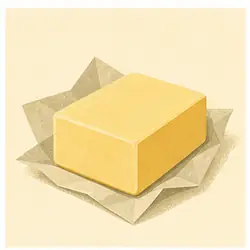 butter
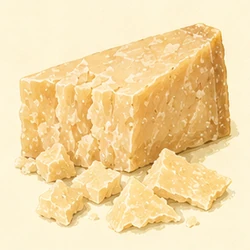 parmesan
 onion
 dry white wine
Imported from ricardocuisine.com. Recipe Grab pulled out what you need to cook it; the video stays where its author put it.