
Cacio e Pepe with Pecorino and Cracked Pepper
4 ingredients
10 steps

What you need
- 350 g (12 oz) spaghetti, or tonnarelli
- 150 g (5 oz) pecorino romano, very finely grated, plus extra for serving
- 2 tsp black peppercorns, coarsely cracked, plus extra for serving
- salt, for the pasta water
Method
Restated from the original video
- 1
Grate the pecorino on the finest holes of a grater so it melts without clumping.
- 2
Bring about 3 l (3 quarts) of water to a boil in a wide pot. Use less water than usual so it turns starchy, and salt it only lightly because the cheese is salty.
- 3
Toast the cracked pepper in a large dry frying pan over medium heat until it smells fragrant, 1-2 min, then take the pan off the heat.
- 4
Drop the spaghetti into the boiling water and cook until 2 min short of al dente.
- 5
While it cooks, ladle about 4 tbsp of the hot pasta water into a bowl, let it sit 1 min, then stir in most of the pecorino to make a thick, smooth paste.
- 6
Pour about 120 ml (1/2 cup) of pasta water into the pepper pan and bring it to a simmer.
- 7
Lift the spaghetti into the pan with tongs and keep tossing over medium heat, adding splashes of pasta water, until it reaches al dente, 1-2 min.
- 8
Take the pan off the heat and wait about 30 seconds so it stops bubbling.
- 9
Add the cheese paste and toss hard, loosening with a little more pasta water, until a creamy sauce coats every strand. If it turns stringy, the pan was too hot.
- 10
Serve at once with the remaining pecorino and more pepper on top.
About cacio e pepe
Spaghetti finished in a sauce of pecorino romano and coarse black pepper, no butter or cream in the traditional version. Starchy pasta water pulls the cheese into an emulsion that clings to the noodles rather than sitting on top.
What cooks argue about
What usually goes in
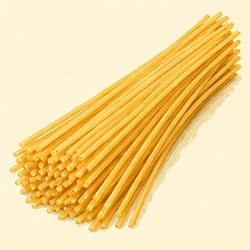 spaghetti
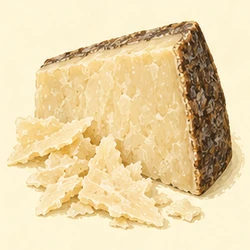 pecorino
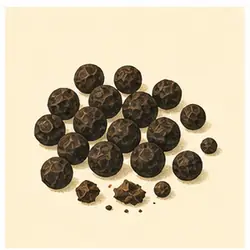 black pepper
Imported from cookingwithmammac.com. Recipe Grab pulled out what you need to cook it; the video stays where its author put it.