Spaghetti Carbonara with Guanciale

6 ingredients
12 steps
What you need
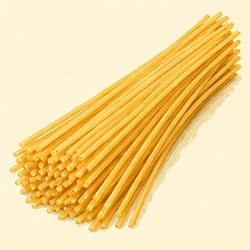
- 350 g (12 oz) spaghetti
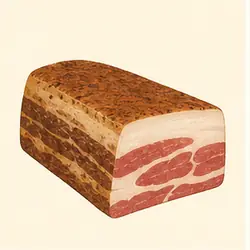
- 150 g (5 oz) guanciale, rind removed
- 4 large egg yolks
- 60 g (2 oz) pecorino romano, finely grated, plus extra for serving
- 1 tsp black pepper, freshly ground, plus extra for serving
- salt, for the pasta water
Method
Restated from the original video
- 1
Bring a large pot of water to a boil and salt it well.
- 2
Cut the guanciale into strips about 1 cm (1/2 in) thick.
- 3
Put the guanciale in a cold, dry frying pan and set it over medium heat. Cook, stirring now and then, until the fat has melted out and the edges are golden, 6-8 min. Turn off the heat and leave it in its fat.
- 4
In a large bowl, whisk the yolks with most of the pecorino and the pepper into a thick paste.
- 5
Drop the spaghetti into the boiling water and cook until 1 min short of al dente.
- 6
Scoop out a mug of the starchy cooking water, then drain the spaghetti.
- 7
Tip the spaghetti into the pan with the guanciale, add a splash of cooking water and toss over low heat for 30 seconds.
- 8
Take the pan off the heat and wait 30 seconds so it is hot but not sizzling.
- 9
Loosen the yolk paste with 2-3 tbsp of hot cooking water, then pour it over the spaghetti.
- 10
Toss quickly and keep tossing, adding a little more cooking water, until the sauce turns glossy and coats every strand. If it looks grainy, the pan was too hot.
- 11
The yolks are only lightly cooked by the heat of the pasta, so use pasteurized eggs if serving anyone young, elderly, pregnant or immunocompromised.
- 12
Serve right away, topped with the remaining pecorino and more black pepper.
About carbonara
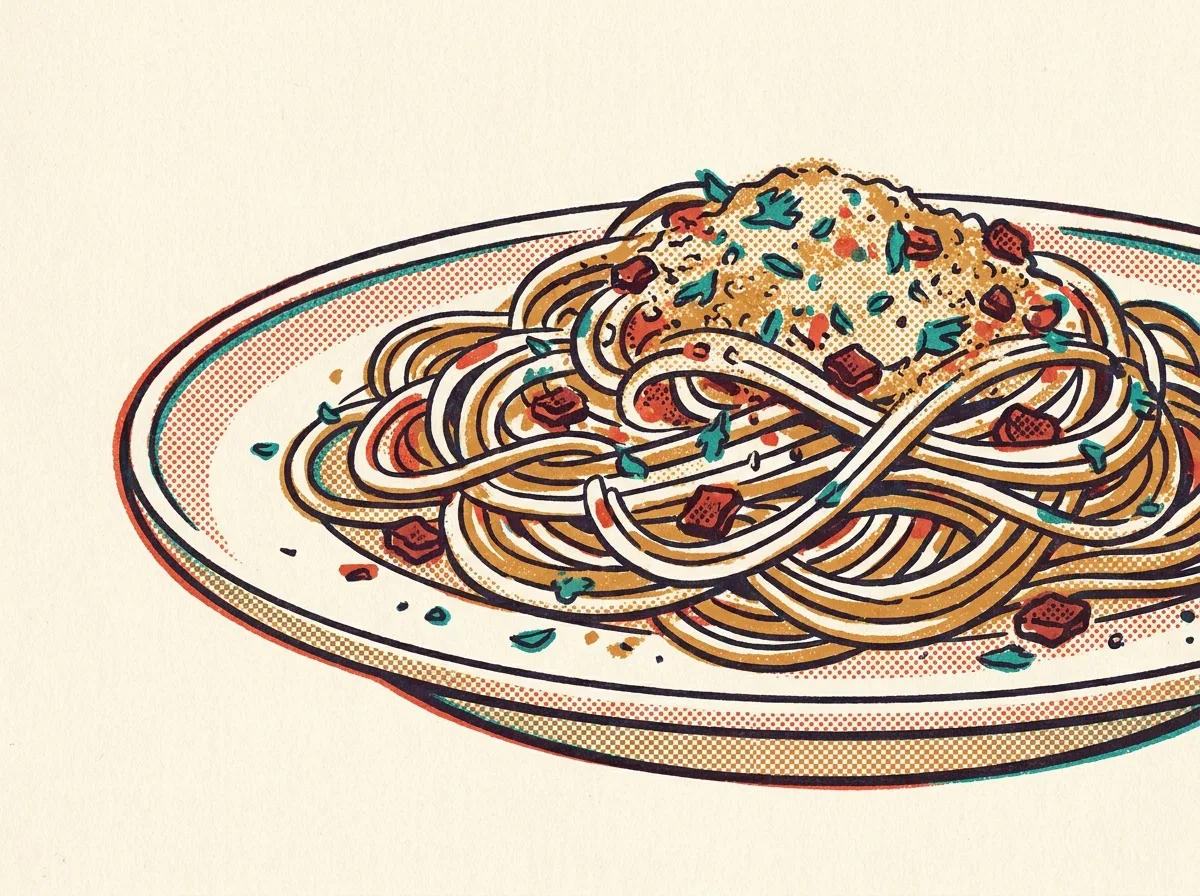
Spaghetti coated in egg yolk, pecorino, and rendered guanciale fat, no cream. The yolks thicken off the heat into a glossy sauce, the guanciale stays crisp and salty, and coarse black pepper cuts through the richness.
What cooks argue about
What usually goes in
 spaghetti
 guanciale
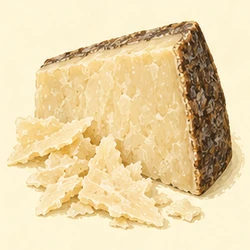 pecorino
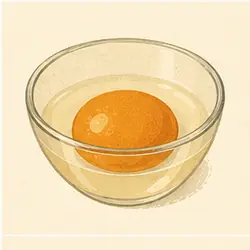 egg yolk
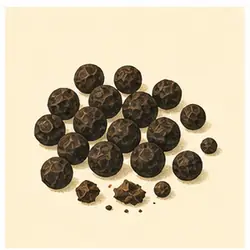 black pepper
More from Oliver Pemberton
Imported from giallozafferano.com. Recipe Grab pulled out what you need to cook it; the video stays where its author put it.