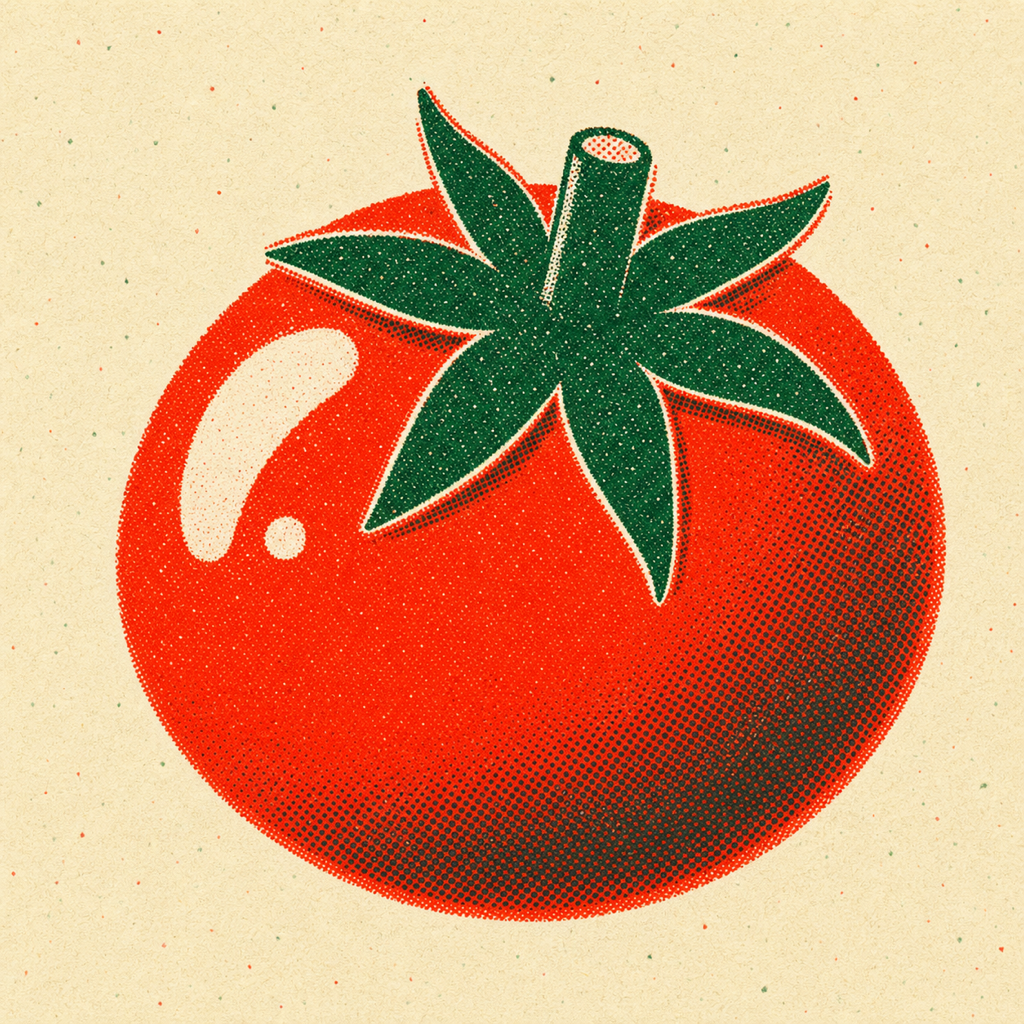
Dish · korean
Kimchi
Napa cabbage salted, then coated in a paste of gochugaru, garlic, ginger, and fish sauce, and left to ferment until sour and tangy. Eaten as a side with nearly every Korean meal, its flavor deepens the longer it sits.
Where it comes from
Fermenting vegetables to preserve them through Korea's cold winters goes back over a thousand years, though the red, chile-heavy kimchi familiar today only developed after chile peppers arrived from the Americas in the 16th and 17th centuries.
What cooks argue about
Fermentation length is the whole argument: a shorter ferment gives a crisper, milder kimchi closer to fresh vegetables, while a longer ferment turns it softer, sourer, better suited to cooking than eating fresh.
Versions
Nobody has published a kimchi here yet. When somebody cooks one from a video and publishes it, their version appears in this list, with a link back to the original.
What goes in it
Each one opens everything else made with it.
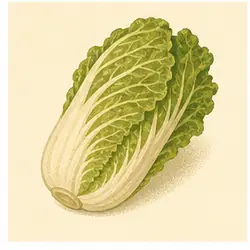 cabbage napa
 garlic
 ginger