
Napa Cabbage Kimchi with Radish and Salted Shrimp
13 ingredients
12 steps
What you need
- 2 kg (4 1/2 lb) napa cabbage, 1 large head
- 120 g (4 oz) coarse sea salt, plus 1 tsp for the radish
- 300 g (10 oz) Korean radish (mu), or daikon
- 250 ml (1 cup) water
- 2 tbsp glutinous rice flour
- 60 g (1/2 cup) gochugaru, Korean chili flakes
- 6 cloves garlic, peeled
- 2 cm (1 in) fresh ginger, peeled
- 1/2 onion, roughly chopped
- 1 tbsp salted shrimp (saeujeot)
- 3 tbsp fish sauce
- 1 tbsp sugar
- 4 scallions, cut into 3 cm lengths
Method
Restated from the original video
- 1
Quarter the cabbage lengthwise, cut out the core, then cut the leaves into 4 cm pieces.
- 2
Layer the cabbage in a large bowl, scattering the sea salt over each layer and sprinkling with a little water. Leave for 2-3 hours, turning every 30 min, until the thick white stems bend without snapping.
- 3
Rinse the cabbage in cold water three times, then drain in a colander for 30 min.
- 4
Cut the radish into thin squares about 3 cm across, toss with 1 tsp sea salt and leave for 15 min. Drain off the liquid.
- 5
Whisk the rice flour into the rest of the water in a small pan. Simmer, stirring, until it turns into a thin glossy paste, 3-4 min. Let it cool completely.
- 6
Stir the gochugaru into the cooled paste and let it sit for 10 min to soften.
- 7
Blend the garlic, ginger, onion, salted shrimp, fish sauce and sugar to a smooth purée.
- 8
Mix the purée into the red rice paste to make the seasoning.
- 9
Wearing gloves, combine the cabbage, radish and seasoning in a large bowl and rub until every piece is red. Fold in the scallions last.
- 10
Pack the kimchi tightly into clean glass jars, pressing down to push out air, and fill them no more than 90% full.
- 11
Close the jars loosely and leave at cool room temperature for 1-2 days, pressing the vegetables under the juices once a day. It is ready when it smells sour and small bubbles rise.
- 12
Move the jars to the fridge. The flavor keeps deepening for 2-3 weeks.
About kimchi
Napa cabbage salted, then coated in a paste of gochugaru, garlic, ginger, and fish sauce, and left to ferment until sour and tangy. Eaten as a side with nearly every Korean meal, its flavor deepens the longer it sits.
What cooks argue about
What usually goes in
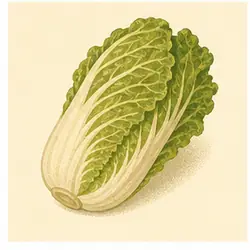 cabbage napa
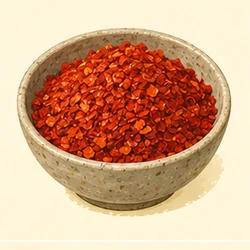 gochugaru
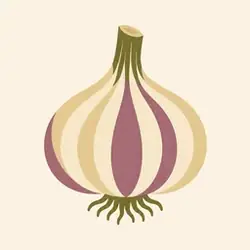 garlic
 ginger
 fish sauce
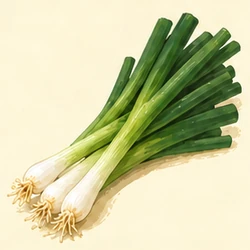 scallion
More from Jasmine Kwon
- Sweet Laba Congee with Beans, Lotus Seeds and Red Dates10 ingredients
- Homemade Doujiang, Hot Fresh Soy Milk3 ingredients
- Ivorian Attiéké with Fried Whole Fish and Raw Tomato and Onion Salad9 ingredients
- Cape Malay Curried Mince Bake with Egg Custard15 ingredients
- Mongolian Beef with Scallions in Sweet Soy Glaze11 ingredients
- Golden Pan-Fried Ripe Plantain Slices3 ingredients
Imported from asianinspirations.com.au. Recipe Grab pulled out what you need to cook it; the video stays where its author put it.