
Salt-Cured Duck Legs Slow-Cooked in Their Own Fat
7 ingredients
13 steps
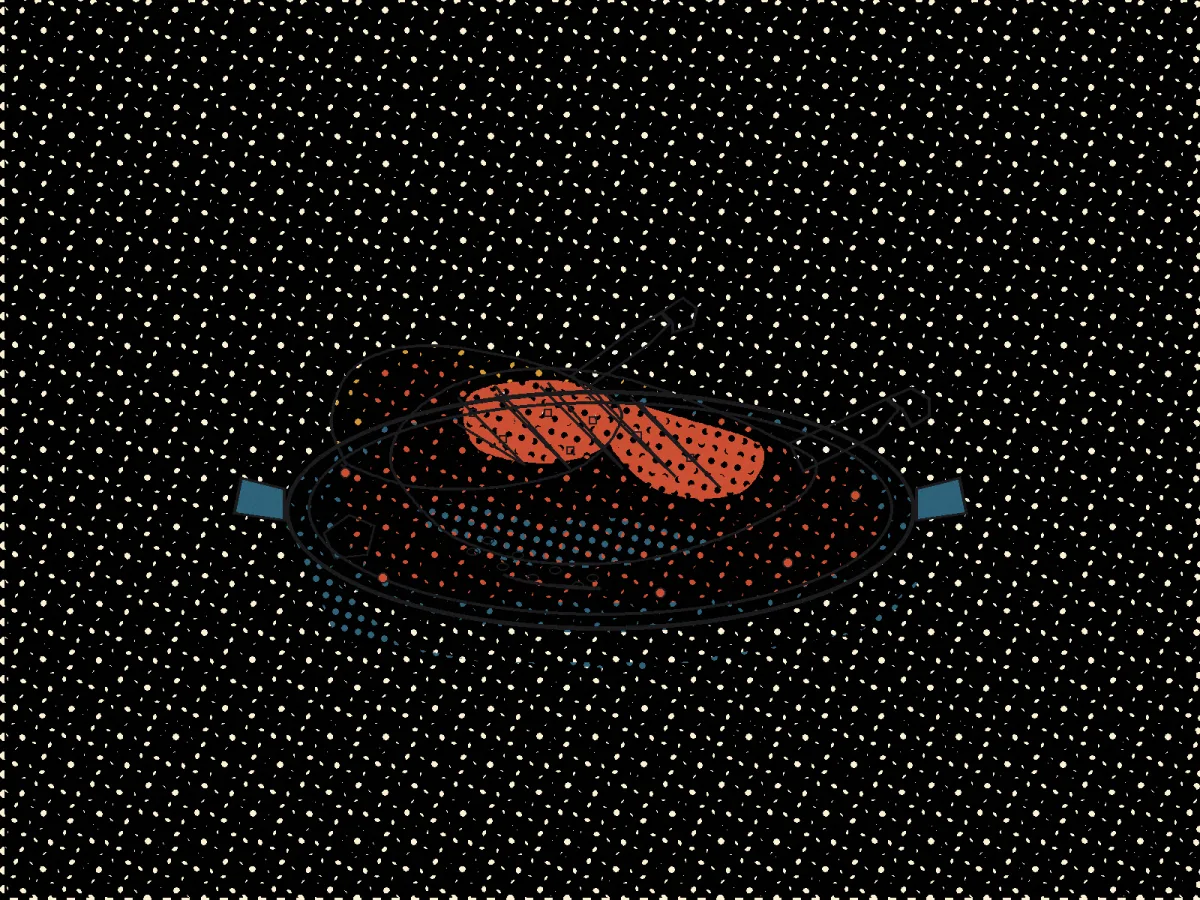
What you need
- 4 duck legs, about 1 kg (2 1/4 lb) in total
- 40 g (3 tbsp) coarse sea salt
- 1 tsp black peppercorns, lightly crushed
- 4 cloves garlic, smashed
- 4 sprigs thyme
- 2 dried bay leaves
- 1 kg (about 4 1/2 cups) duck fat
Method
Restated from the original video
- 1
Mix the salt and peppercorns and rub the mixture all over the duck legs.
- 2
Arrange the legs side by side in a dish and tuck the garlic, thyme and bay around them.
- 3
Cover and refrigerate for 12-24 hours.
- 4
Heat the oven to 140 °C (275 °F).
- 5
Brush the salt off the duck, rinse the legs briefly under cold water and pat them completely dry. Keep the garlic and herbs.
- 6
Melt the duck fat in a heavy ovenproof pot just big enough to hold the legs snugly.
- 7
Lower the legs into the fat with the garlic and herbs, making sure the meat is fully submerged.
- 8
Bring the fat to a bare simmer on the stove, cover and move the pot to the oven.
- 9
Cook until the meat is very tender and pulls easily from the bone, 2 1/2-3 hours. The thickest part will be well above 74 °C (165 °F) inside.
- 10
To store, cool the legs in a dish and strain the fat over them so they are covered by at least 2 cm. Refrigerate for up to 1 week.
- 11
To serve, lift the legs out of the fat and scrape off the excess.
- 12
Set a heavy frying pan over medium heat and lay the legs in it skin side down.
- 13
Fry until the skin is deep golden and crisp, 6-8 min. Turn and warm the other side, 2-3 min, then serve.
About duck confit
Duck legs salted, then slow-cooked and submerged in their own rendered fat until tender, and often crisped in a pan before serving. The meat stays moist despite the long, low cooking.
What cooks argue about
What usually goes in
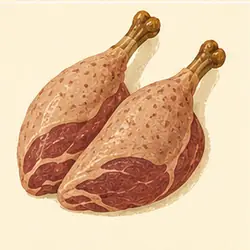 duck legs
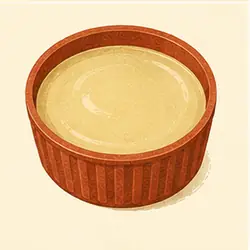 duck fat
 garlic
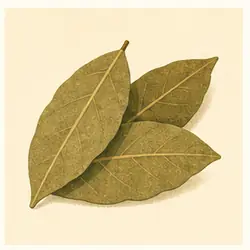 bay leaves dried
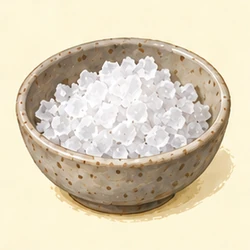 sea salt
More from Mika Hughes
- Chawanmushi with Shrimp and Shiitake8 ingredients
- Deli-Style Tuna Salad with Celery and Dill Pickles9 ingredients
- Salade Verte with Mustard and Shallot Vinaigrette6 ingredients
- White Wine Mussels with Twice-Fried Fries11 ingredients
- French Shallot and Dijon Vinaigrette6 ingredients
- Bacon-Wrapped Country Terrine with Cognac and Thyme17 ingredients
Imported from gourmettraveller.com.au. Recipe Grab pulled out what you need to cook it; the video stays where its author put it.