
Home-Brewed Korean Makgeolli from Steamed Sweet Rice

4 ingredients
12 steps
What you need
- 500 g (2 1/2 cups) glutinous rice, also sold as sweet rice
- 100 g (3.5 oz) nuruk, Korean fermentation starter, crumbled
- 1 tsp active dry yeast
- 1 l (4 1/4 cups) water, filtered or boiled and cooled
Method
Restated from the original video
- 1
Rinse the rice until the water runs nearly clear, then cover with fresh water and soak for at least 6 hours or overnight.
- 2
Drain the rice well. Steam it in a cloth-lined steamer over boiling water until the grains are tender and translucent, 40-45 min.
- 3
Spread the rice on a clean tray and let it cool completely to room temperature, about 1 hour. Hot rice kills the starter.
- 4
Scald a large glass jar or crock and its lid with boiling water and let it dry.
- 5
In a large bowl, mix the cool rice with the nuruk and yeast, squeezing with clean hands until the grains break up.
- 6
Add the water and stir well, then pour everything into the jar. It should be no more than two thirds full.
- 7
Cover the mouth with a clean cloth and rest the lid on loosely so gas can escape.
- 8
Keep the jar somewhere at about 22 °C (72 °F), out of direct sun.
- 9
Stir with a clean spoon once or twice a day for the first 2-3 days. It will bubble and smell of sweet alcohol.
- 10
Leave it to ferment until the bubbling slows and the rice settles to the bottom, 5-7 days in total.
- 11
Strain through a muslin-lined sieve, squeezing the cloth to press out the milky liquid.
- 12
Taste and thin with more water if it is too strong, then bottle and chill. Shake before pouring and drink within a week.
About makgeolli
A milky, lightly fizzy rice wine made by fermenting steamed glutinous rice with water and yeast, then straining the mash while it's still cloudy with sediment. Mildly sweet and tangy, low in alcohol compared to distilled spirits.
What cooks argue about
What usually goes in
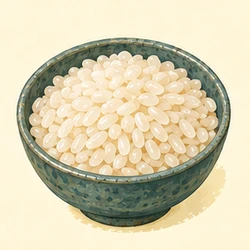 glutinous rice
 water
 active dry yeast
More from Jin Kim
- Glossy Soy-Braised Black Soybeans8 ingredients
- Korean Pan-Fried Pork and Tofu Mandu with Soy Dipping Sauce17 ingredients
- Lemon, Garlic and Herb Marinade for Grilling9 ingredients
- Oven-Baked Spiced Potato Wedges8 ingredients
- LA-Style Grilled Flanken Short Ribs in Soy-Pear Marinade12 ingredients
- Fresh Ginger and Garlic Soy Marinade7 ingredients
Imported from recetasorientales.com. Recipe Grab pulled out what you need to cook it; the video stays where its author put it.